01
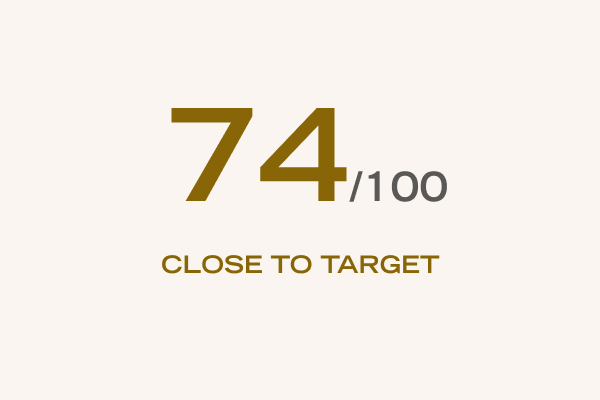
Your score
A clear score and status from 0% Critical to 100% Controlled. You know in seconds whether the room needs work.
A free, instant reading of how your room is performing acoustically. Eight short questions. Sixty seconds. Your personalised report in seconds.
Check my spaceNo acoustic knowledge needed.
A report written for people making decisions, not for people decoding acoustic theory.
01
A clear score and status from 0% Critical to 100% Controlled. You know in seconds whether the room needs work.
02
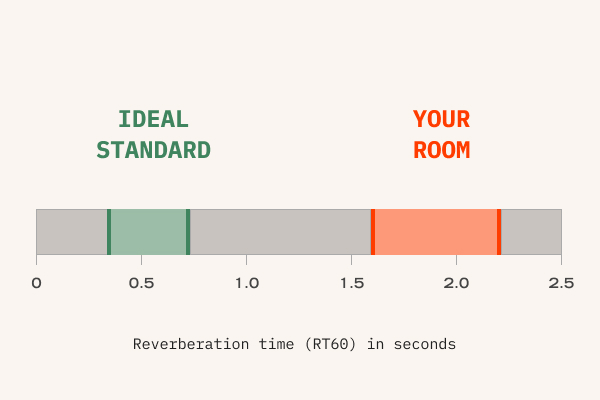
Long echo is what makes meetings tiring, restaurants too loud, and music muddy. We show you how you compare to the ideal standard.
03
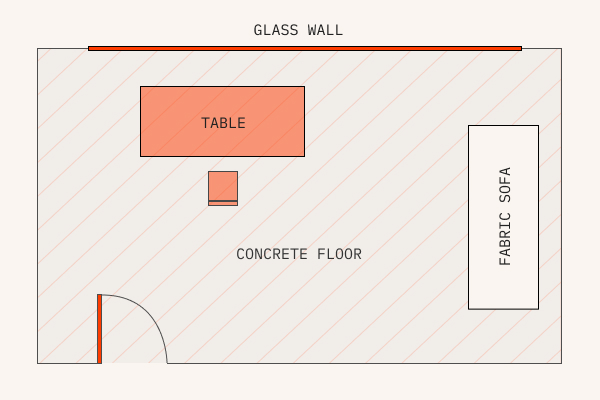
Which walls, floors, and surfaces are working for you, and which are working against. Plain explanation, no acoustic terms.
04
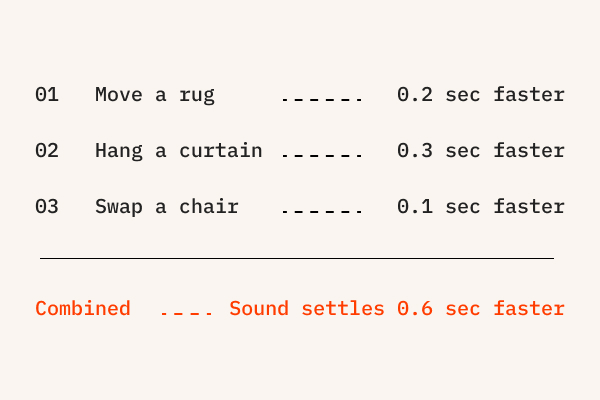
Improve your reverberation time with cheap changes you can try yourself. Move a rug, hang a curtain, swap a chair. No specialist needed.
05
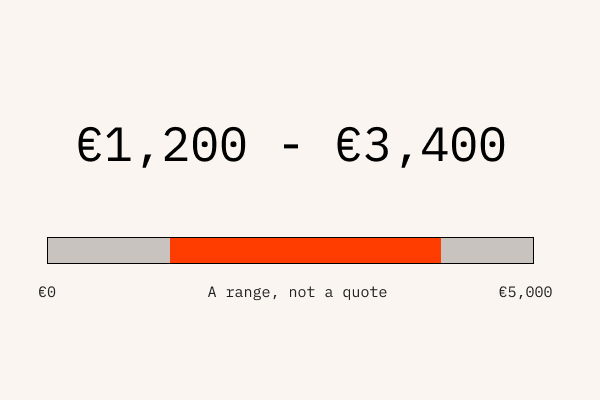
What treatment would cost in euros, if you decide to go further. A range, not a quote. No commitment.
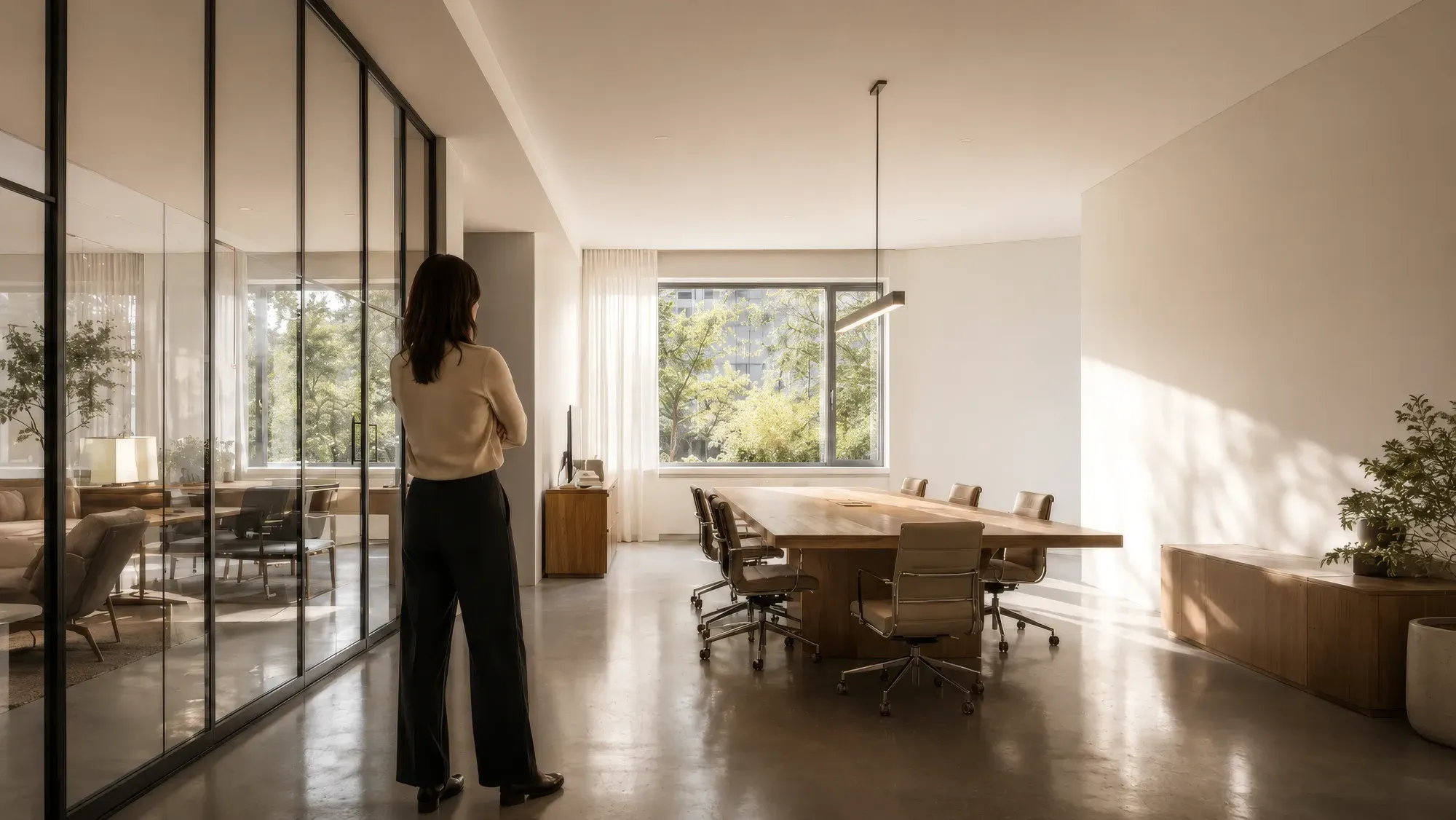
A workplace should make it easier to focus, talk, and meet without every conversation spreading across the room.
This is for offices where calls interrupt nearby teams, meeting rooms feel tiring, or privacy is hard to maintain.
The room should feel alive, not exhausting.
For restaurants, bars, lounges, and hotels, the goal is to keep the atmosphere while making conversation feel natural and comfortable.
The room should not compete with the recording.
Whether it is for podcasts, music, editing, or listening, this helps spot the reflections, low-end problems, and room character that could get in the way.
Acoustics are easier to solve before the design is locked.
For architects and interior designers, this gives a clear early direction while layouts, materials, budgets, and client expectations are still open.
FAQ
Around 60 seconds. The reading appears on screen and arrives in your inbox.
No. Plain English throughout.
Acoustic treatment. The Score measures how a room behaves with sound that is already inside it. Soundproofing stops sound passing through walls and floors. Different problem, different fix.
RT60-based estimation, using published absorption coefficients, the geometry of your room, and the target reverberation range for your space type. Calibrated against real project data from rooms we have measured and treated.
A score, an estimate of how long sound lingers, a short diagnosis, three first actions, and a sense of treatment cost if the room needs it.
No. If your room needs treatment, the Score may show a budget range. A first estimate, not a quote. A precise price comes after we read the room properly.
The Score works best on rooms with regular geometry. If yours is unusual, the result will flag low confidence and point you to a free read of the room.
Your email is used to send your report and occasional updates from us. No third-party trackers in the report itself. You can unsubscribe at any time.
The standard way to describe how long sound lingers in a room. Technically: the time it takes for sound to fade by 60 decibels after the source stops. A cathedral sits at six seconds or more. A well-treated office sits below half a second.
About sixty seconds. No account, no payment, no follow-up. The reading lands on your screen and in your inbox.
Take the scoreAlready know your room needs a deeper read? Send us the roominstead. Free, expert led, a short call and a report within 48 hours.